
October 2, 2026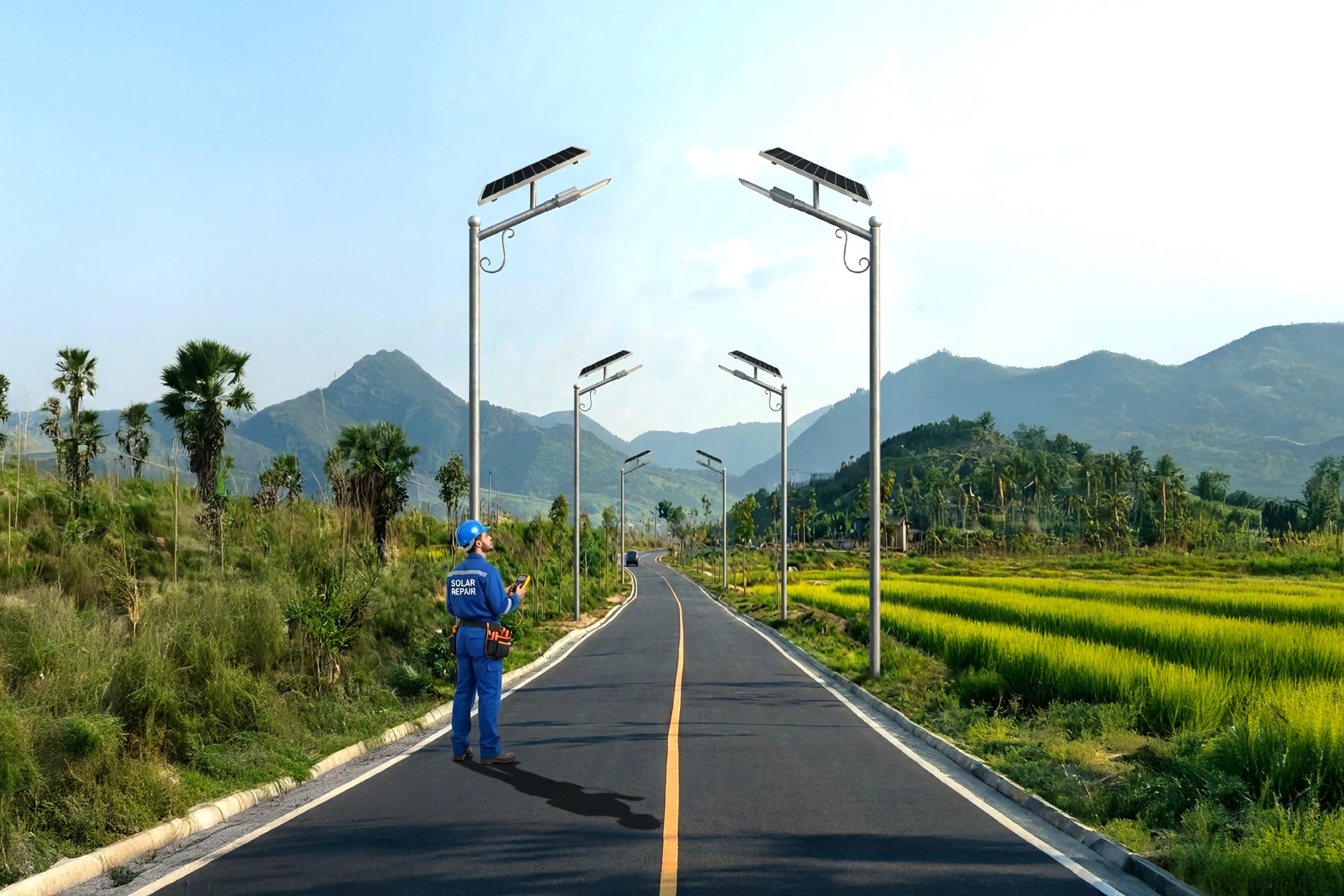
All-in-one vs Split-type solar lights: Which to choose?
Both convert sunlight into light, but differ in installation simplicity, autonomy, and panel capacity.
Both all-in-one and split-type solar lights convert sunlight into bright LED lighting. They differ in how easy they are to install and how flexible they are for high-wattage requirements.
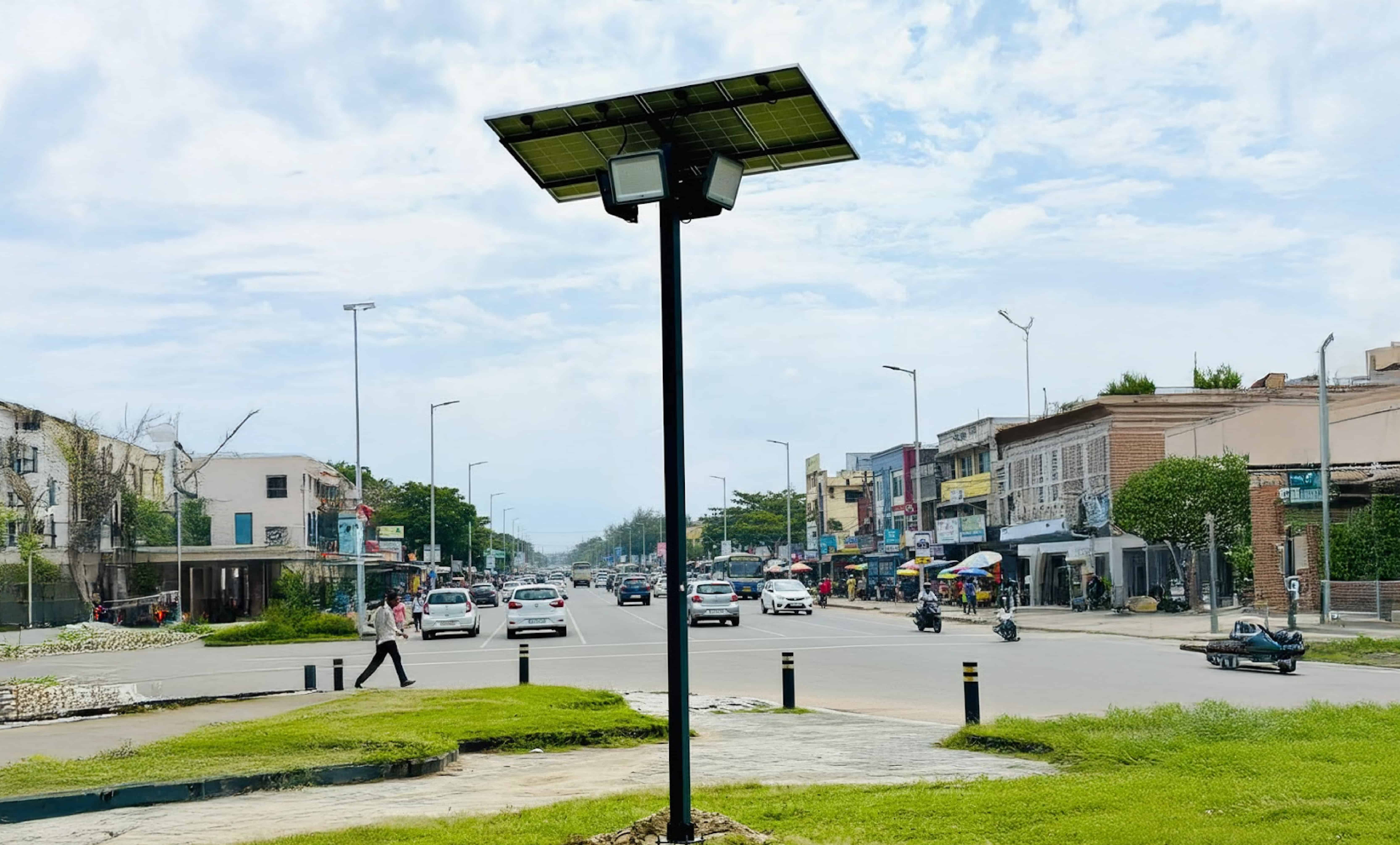
All-in-one Solar Street Lights The solar panel, LiFePO4 battery, MPPT controller, and LED module are integrated into a single unified casing. * **Best for:** Estate roads, residential lanes, resort pathways, and private compounds. * **Pros:** Extremely fast installation, compact aesthetic, no exposed wires.
Split-type Solar Street Lights The solar panel is mounted separately at the top of the pole, while the LED head and battery enclosure are mounted independently. * **Best for:** Highway bypasses, major public roads, high wattage requirements, and locations with heavy cloud shade. * **Pros:** Allows much larger solar panels and high-capacity battery banks to be paired with high-lumen luminaires.
Quick Decision Rule For short hours and modest lighting requirements, choose **All-in-one**. For main roads, all-night full brightness, or long monsoon backup, choose **Split-type**.
Previous Article
Do solar street lights work in the monsoon?
Next ArticleWhat to prepare before requesting a solar lighting quote
Related Articles
How to size a solar street light for your road
The four key measurements that decide whether a solar light lasts all night through monsoon conditions.

Why LiFePO4 batteries are essential for Kerala solar lights
Understanding heat tolerance, cycle life, and depth of discharge for tropical solar installations.

Solar street lighting for Panchayats & Municipal roads
Key specifications required for public road safety, pole foundation standards, and warranty terms.